Interior Design
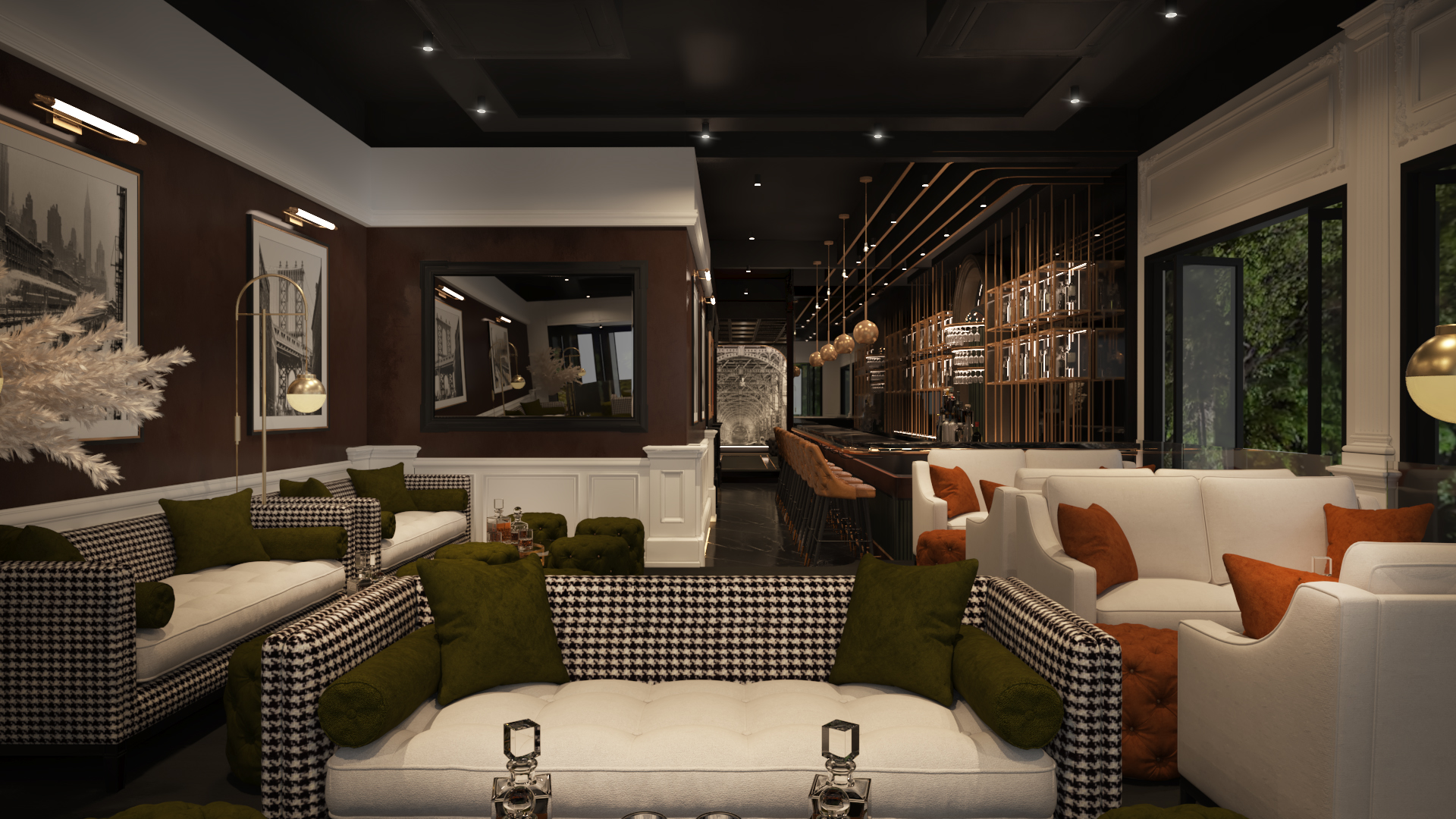
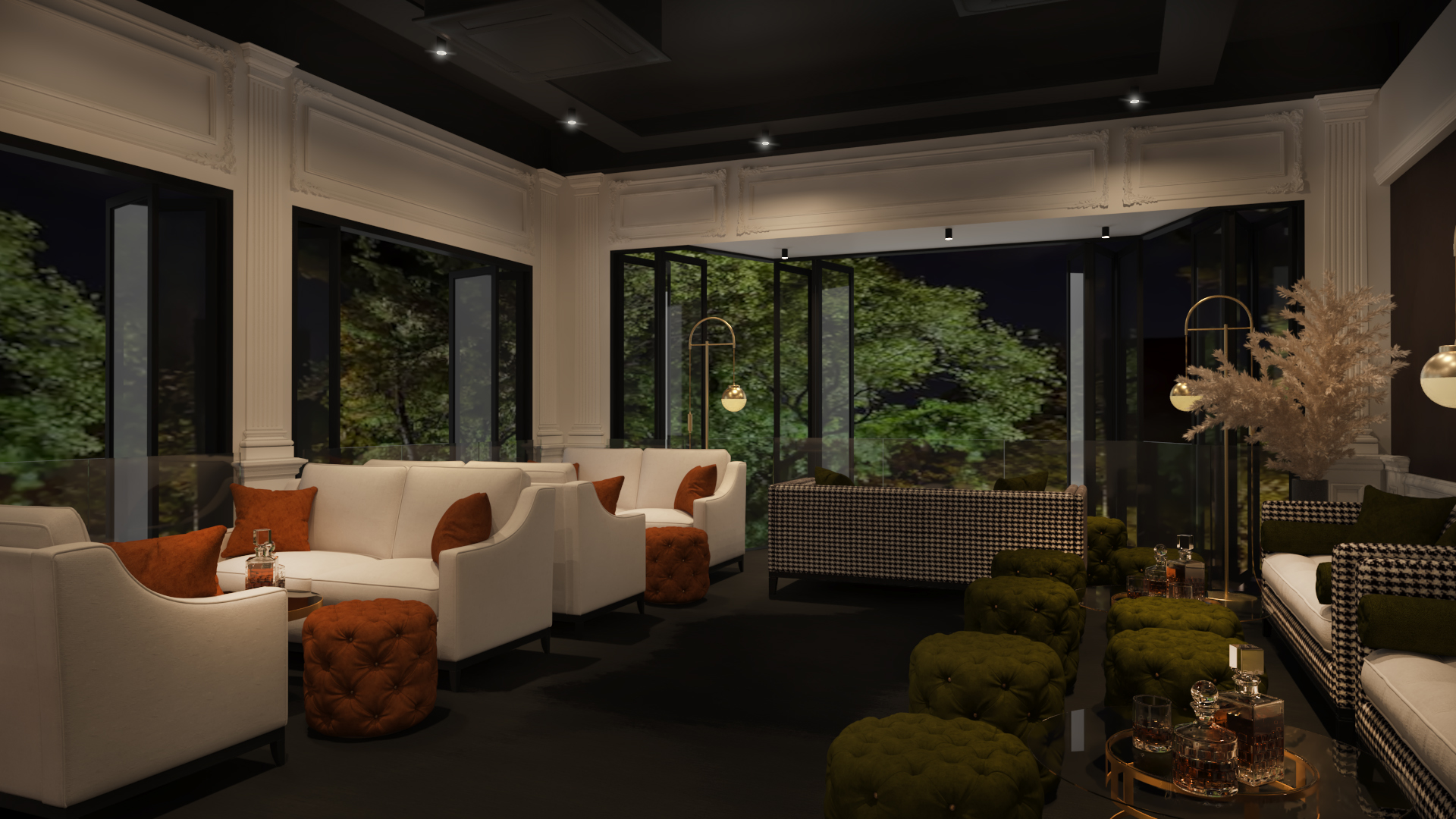
Interior design is the art and science of enhancing the interior of a building or space to achieve a healthier and more aesthetically pleasing environment for the people using the space. The purpose of interior design is to create a functional and comfortable space that reflects the personality and needs of the occupants while also improving the overall quality of life.
The practice of interior design involves a wide range of tasks and responsibilities, such as space planning, color schemes, furniture selection, lighting, and material choices. Interior designers work closely with their clients to understand their needs and preferences, and then develop a plan to transform the space into a functional and beautiful environment.
Some of the key elements of interior design include:
1. Space planning: This involves the arrangement of furniture, fixtures, and other elements within a space to optimize functionality and flow.
2. Color schemes: The use of color can greatly affect the mood and atmosphere of a space. Interior designers carefully select colors that complement each other and create a cohesive look.
3. Lighting: Proper lighting is crucial for creating a comfortable and functional space. Interior designers consider the use of natural light, as well as artificial lighting, to create a balance of light and shadow.
4. Furniture selection: The selection of furniture is an important aspect of interior design, as it can greatly affect the functionality and overall aesthetic of a space.
5. Material choices: Interior designers choose materials for walls, floors, and other surfaces based on their durability, functionality, and aesthetic appeal.
Overall, interior design is an important profession that can greatly enhance the comfort and functionality of a space. Whether it's a home, office, or commercial building, a well-designed interior can make a significant difference in the quality of life of those who use it.